
Eastern Conference
Atlantic Division
 Boston Celtics
 Brooklyn Nets
 New York Knicks
 Philadelphia 76ers
 Toronto Raptors
Central Division
 Chicago Bulls
 Cleveland Cavaliers
 Detroit Pistons
 Indiana Pacers
 Milwaukee Bucks
Southeast Division
 Atlanta Hawks
 Charlotte Hornets
 Miami Heat
 Orlando Magic
 Washington Wizards
Western Conference
Northwest Division
 Denver Nuggets
 Minnesota Timberwolves
 Oklahoma City Thunder
 Portland Trail Blazers
 Utah Jazz
 Golden State Warriors
 Los Angeles Clippers
 Los Angeles Lakers
 Phoenix Suns
 Sacramento Kings
Southwest Division
 Dallas Mavericks
 Houston Rockets
 Memphis Grizzlies
 New Orleans Pelicans
 San Antonio Spurs



AFC
 Buffalo Bills
 Miami Dolphins
 New England Patriots
 New York Jets
 Baltimore Ravens
 Cincinnati Bengals
 Cleveland Browns
 Pittsburgh Steelers
 Houston Texans
 Indianapolis Colts
 Jacksonville Jaguars
 Tennessee Titans
 Denver Broncos
 Kansas City Chiefs
 Las Vegas Raiders
 Los Angeles Chargers
NFC
 Dallas Cowboys
 New York Giants
 Philadelphia Eagles
 Washington Commanders
 Chicago Bears
 Detroit Lions
 Green Bay Packers
 Minnesota Vikings
 Atlanta Falcons
 Carolina Panthers
 New Orleans Saints
 Tampa Bay Buccaneers
 Arizona Cardinals
 Los Angeles Rams
 San Francisco 49ers
 Seattle Seahawks


American League
 Baltimore Orioles
 Boston Red Sox
 New York Yankees
 Tampa Bay Rays
 Toronto Blue Jays
 Chicago White Sox
 Cleveland Guardians
 Detroit Tigers
 Kansas City Royals
 Minnesota Twins
 Oakland Athletics
 Houston Astros
 Los Angeles Angels
 Seattle Mariners
 Texas Rangers
National League
 Atlanta Braves
 Miami Marlins
 New York Mets
 Philadelphia Phillies
 Washington Nationals
 Chicago Cubs
 Cincinnati Reds
 Milwaukee Brewers
 Pittsburgh Pirates
 St. Louis Cardinals
 Arizona Diamondbacks
 Colorado Rockies
 Los Angeles Dodgers
 San Diego Padres
 San Francisco Giants

East Meets West: How Kazakh Combat Training Translates to American Competition

The Structural Edge Behind a Master of Sport
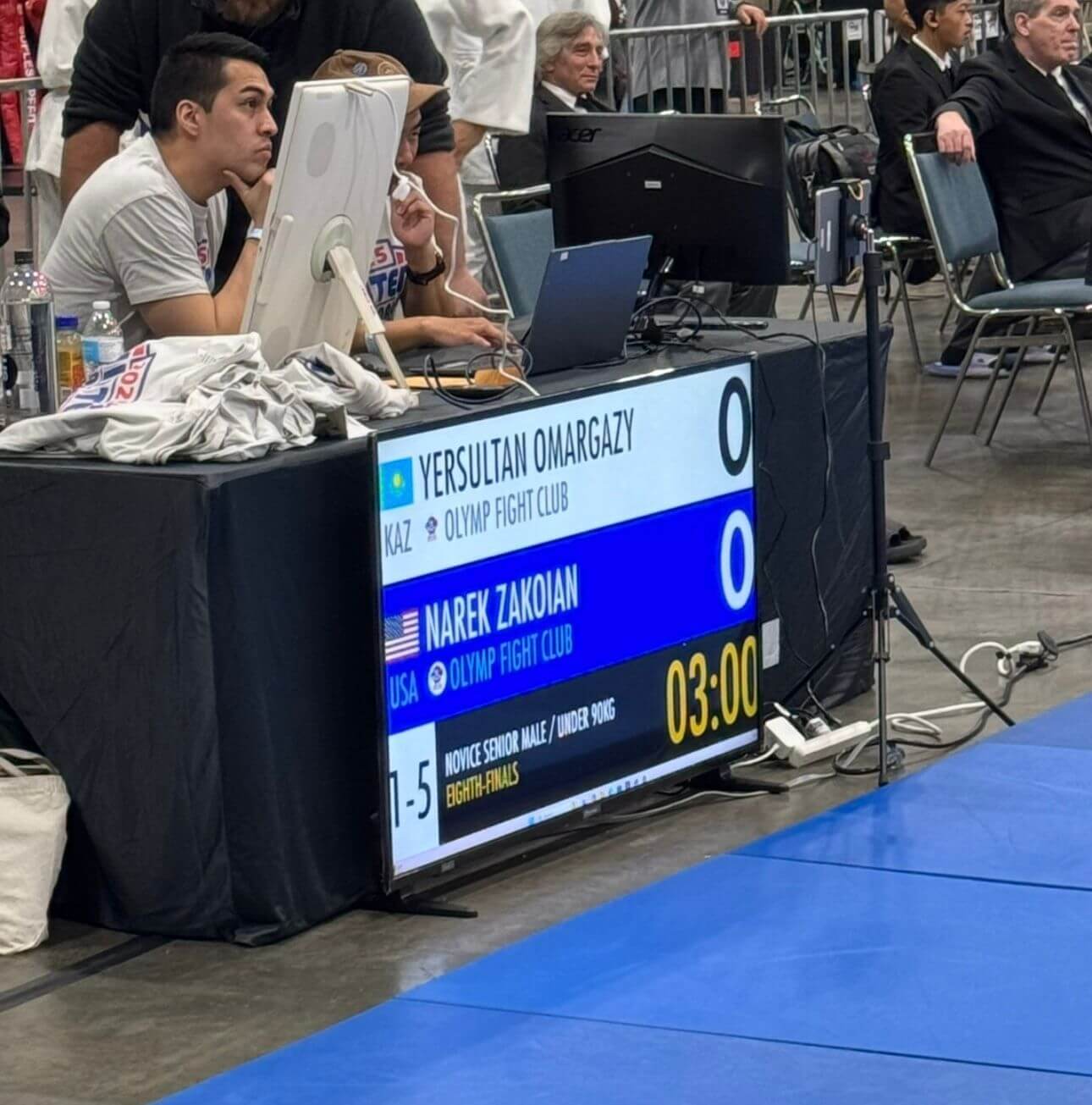
When Kazakh athlete Yersultan Omargazy entered the American competitive arena, he did not arrive simply as another international fighter testing himself abroad. He arrived shaped by a highly structured Central Asian athletic development model — one that prioritizes system, discipline, and long-term performance over short-term visibility.
Omargazy is a Master of Sport of the Republic of Kazakhstan — a title that carries formal national recognition. Unlike ranking systems commonly seen in the United States, the Master of Sport designation is awarded only after meeting strict competitive standards at national and international levels. It requires repeated podium finishes, verified results, and consistent performance against elite opponents. It is not honorary; it is institutional.
“Becoming a Master of Sport is not about one big win,” Omargazy explains. “It’s about proving your level over time. You must confirm your results again and again. The title means you’ve earned stability at a high level — not just talent.”
For American audiences, there is no exact equivalent to this designation. It reflects inclusion within a formal hierarchy of athletic achievement — one that demands measurable success rather than reputation alone.
Structure Before Exposure
Kazakh combat training is defined by structured progression. Athletes are developed through phased preparation: technical foundations, physical conditioning cycles, tactical literacy, and gradual competitive exposure. Early competition is introduced strategically, not excessively.
Omargazy’s first tournaments came after one to two years of disciplined preparation at the regional level. The emphasis was not on accumulating medals quickly but on building mechanics capable of withstanding elite pressure.
“In our system, you don’t rush to compete every month,” he says. “First you build the base — technique, conditioning, repetition. Competition comes when the structure is strong enough. Otherwise, you are just testing yourself without preparation.”
Technical drilling is deliberate and repetitive. Movements are refined until they remain efficient under fatigue. Conditioning is integrated into daily work rather than treated as an accessory. Mental resilience is trained alongside physical endurance.
This method often produces athletes who demonstrate composure and consistency when competition intensifies.
International Validation
Omargazy’s competitive trajectory reflects that structured pathway. In 2014, he secured first place at an international tournament in Taraz, Kazakhstan — an early confirmation of progress. Two years later, he placed second at Masters Bremen in Germany, adapting successfully to a different competitive environment and stylistic pace.
These milestones contributed to the accumulation of results required for the Master of Sport title. Each tournament represented another confirmation of readiness.
In 2023, he competed at the World Jiu-Jitsu Championship in California — a global platform where stylistic diversity and competitive intensity converge.
“World-level competition removes all comfort,” Omargazy notes. “You face different strategies, different timing, different pressure. That’s where structured preparation shows its value — because you rely on fundamentals when everything feels unpredictable.”
At this level, adaptability must coexist with technical precision. Preparation must translate across borders.
Integrating Into the American Competitive Ecosystem
Now training and competing in the United States, Omargazy operates within a decentralized and highly dynamic sports environment. American combat culture encourages cross-training, stylistic experimentation, and frequent competition. Diversity of approach is common.
He is a registered and active member of the United States Judo Association (USJA), one of the country’s leading national judo organizations, and regularly participates in officially sanctioned events.
The American model rewards adaptability and initiative. The Kazakh model emphasizes structure and endurance. Rather than conflicting, these systems can complement each other.
“In the U.S., athletes are very creative,” Omargazy observes. “There is more variation in styles and strategy. For me, the advantage is having structure from my background and adding flexibility here. It creates balance.”
Where Structure Becomes Advantage
The transferability of Central Asian training becomes most visible under sustained pressure. Athletes developed in structured systems are accustomed to physical strain, tactical discipline, and long preparation cycles. Efficiency of movement and energy management are emphasized from early stages.
In American competition — where pace can shift rapidly and stylistic unpredictability is common — such structure provides stability. Tactical patience offsets impulsive exchanges. Conditioning supports consistent intensity. Analytical review after competition sharpens future performance.
Omargazy’s preparation today remains anchored in systematic principles: advanced technical sessions, strength and functional conditioning, recovery protocols, and detailed match analysis. What has evolved is not the foundation, but the environment in which it is applied.
“The base stays the same,” he says. “Discipline, repetition, analysis — that doesn’t change. But competing in the U.S. pushes you to adapt faster. You learn to combine precision with flexibility.”
A Model for Modern Combat Sports
As combat sports become increasingly global, competitive advantage often lies in synthesis rather than singular tradition. Athletes who can integrate structured development with adaptive creativity position themselves strategically within international brackets.
Yersultan Omargazy’s career illustrates how a formally recognized Master of Sport can translate into the American competitive landscape without losing structural integrity. His title signals institutional rigor. His ongoing U.S. participation reflects evolution.
At the intersection of East and West, success may depend not on choosing one system over another, but on understanding how to merge discipline with adaptability — structure with innovation — foundation with freedom.
Daniel Kramer
