
Eastern Conference
Atlantic Division
 Boston Celtics
 Brooklyn Nets
 New York Knicks
 Philadelphia 76ers
 Toronto Raptors
Central Division
 Chicago Bulls
 Cleveland Cavaliers
 Detroit Pistons
 Indiana Pacers
 Milwaukee Bucks
Southeast Division
 Atlanta Hawks
 Charlotte Hornets
 Miami Heat
 Orlando Magic
 Washington Wizards
Western Conference
Northwest Division
 Denver Nuggets
 Minnesota Timberwolves
 Oklahoma City Thunder
 Portland Trail Blazers
 Utah Jazz
 Golden State Warriors
 Los Angeles Clippers
 Los Angeles Lakers
 Phoenix Suns
 Sacramento Kings
Southwest Division
 Dallas Mavericks
 Houston Rockets
 Memphis Grizzlies
 New Orleans Pelicans
 San Antonio Spurs



AFC
 Buffalo Bills
 Miami Dolphins
 New England Patriots
 New York Jets
 Baltimore Ravens
 Cincinnati Bengals
 Cleveland Browns
 Pittsburgh Steelers
 Houston Texans
 Indianapolis Colts
 Jacksonville Jaguars
 Tennessee Titans
 Denver Broncos
 Kansas City Chiefs
 Las Vegas Raiders
 Los Angeles Chargers
NFC
 Dallas Cowboys
 New York Giants
 Philadelphia Eagles
 Washington Commanders
 Chicago Bears
 Detroit Lions
 Green Bay Packers
 Minnesota Vikings
 Atlanta Falcons
 Carolina Panthers
 New Orleans Saints
 Tampa Bay Buccaneers
 Arizona Cardinals
 Los Angeles Rams
 San Francisco 49ers
 Seattle Seahawks


American League
 Baltimore Orioles
 Boston Red Sox
 New York Yankees
 Tampa Bay Rays
 Toronto Blue Jays
 Chicago White Sox
 Cleveland Guardians
 Detroit Tigers
 Kansas City Royals
 Minnesota Twins
 Oakland Athletics
 Houston Astros
 Los Angeles Angels
 Seattle Mariners
 Texas Rangers
National League
 Atlanta Braves
 Miami Marlins
 New York Mets
 Philadelphia Phillies
 Washington Nationals
 Chicago Cubs
 Cincinnati Reds
 Milwaukee Brewers
 Pittsburgh Pirates
 St. Louis Cardinals
 Arizona Diamondbacks
 Colorado Rockies
 Los Angeles Dodgers
 San Diego Padres
 San Francisco Giants

Sports in Croatia: A Fan’s Guide to Football, Basketball, Water Polo and More

Croatia may be best known internationally for its Adriatic coastline, medieval cities, and summer islands, but sport is just as deeply woven into the country’s identity. From packed football stands in Split and Zagreb to basketball traditions in Zadar and water polo matches along the coast, sports in Croatia can easily become the focus of an entire trip.
For visiting fans, the challenge is often not finding something worth watching but getting between cities, stadiums, airports, and coastal destinations efficiently. Travelers planning several stops can check Taxi Moments Croatia when arranging transportation, particularly when a match or event takes place outside the city where they are staying.
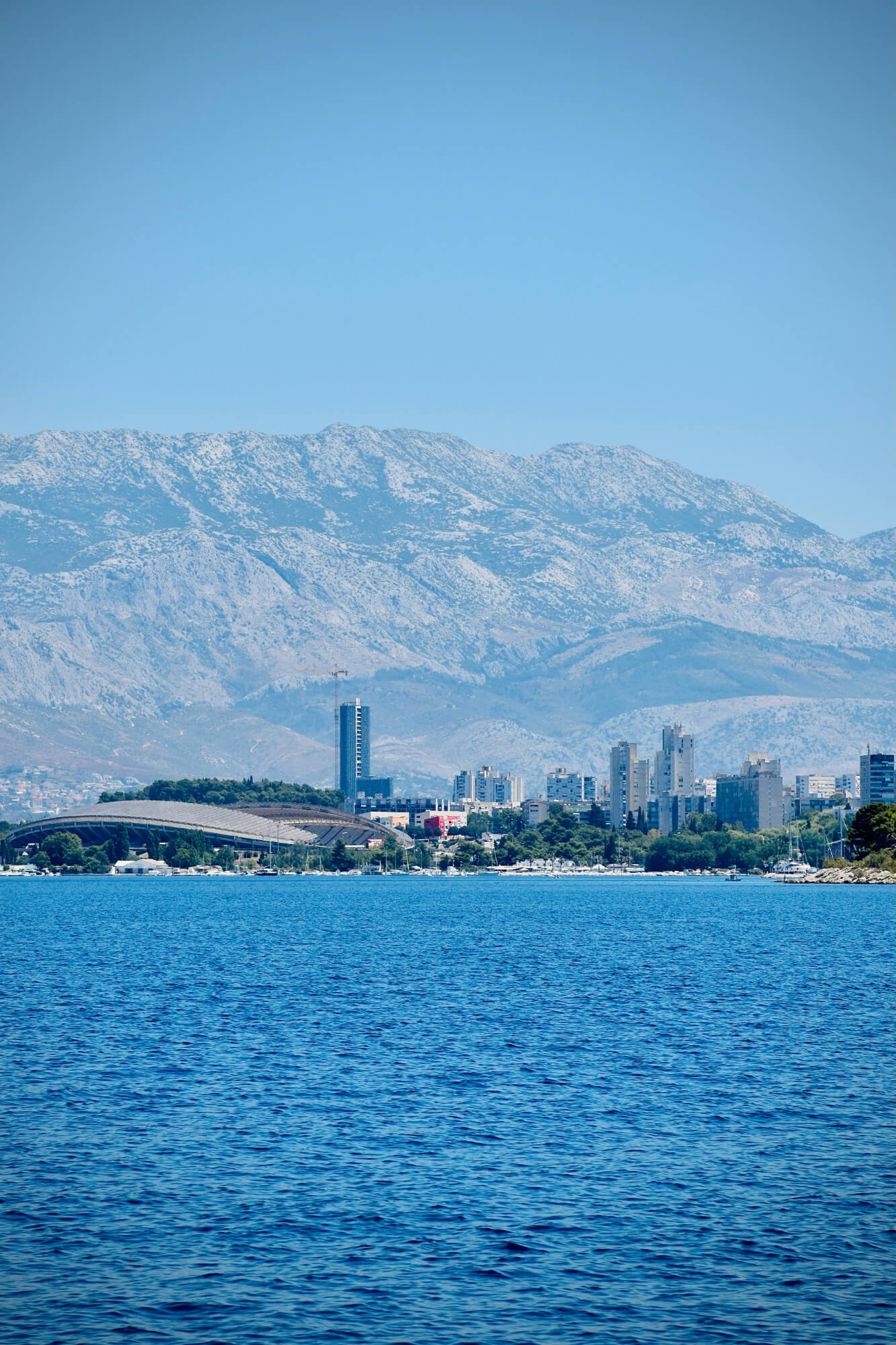
What makes Croatia especially interesting for a sports traveler is its variety. Football dominates the headlines, but basketball, handball, water polo, tennis, sailing, and numerous outdoor sports all have loyal followings.
Why Sports Matter So Much in Croatia
Croatia has a population far smaller than many of the countries it regularly competes against internationally, yet Croatian athletes and teams have achieved remarkable results across multiple disciplines.
Sport is not treated simply as weekend entertainment. Clubs often have strong connections with their cities, neighborhoods, and local history. A football match in Split, for example, can feel like a cultural event rather than just 90 minutes of competition.
That is one reason a sports-focused trip can provide a different perspective on Croatia.
Instead of visiting only the most famous landmarks, travelers can experience:
- Local football rivalries
- Historic basketball clubs
- Coastal water polo culture
- Handball matches
- Tennis tournaments
- Sailing and other Adriatic sports
- Cycling, hiking, kayaking, and climbing
“To understand Croatian sport, it helps to look beyond the scoreboard. Clubs are often part of the identity of the cities they represent.”
Football: The Center of Croatian Sporting Culture
For most international visitors, football is the obvious starting point.
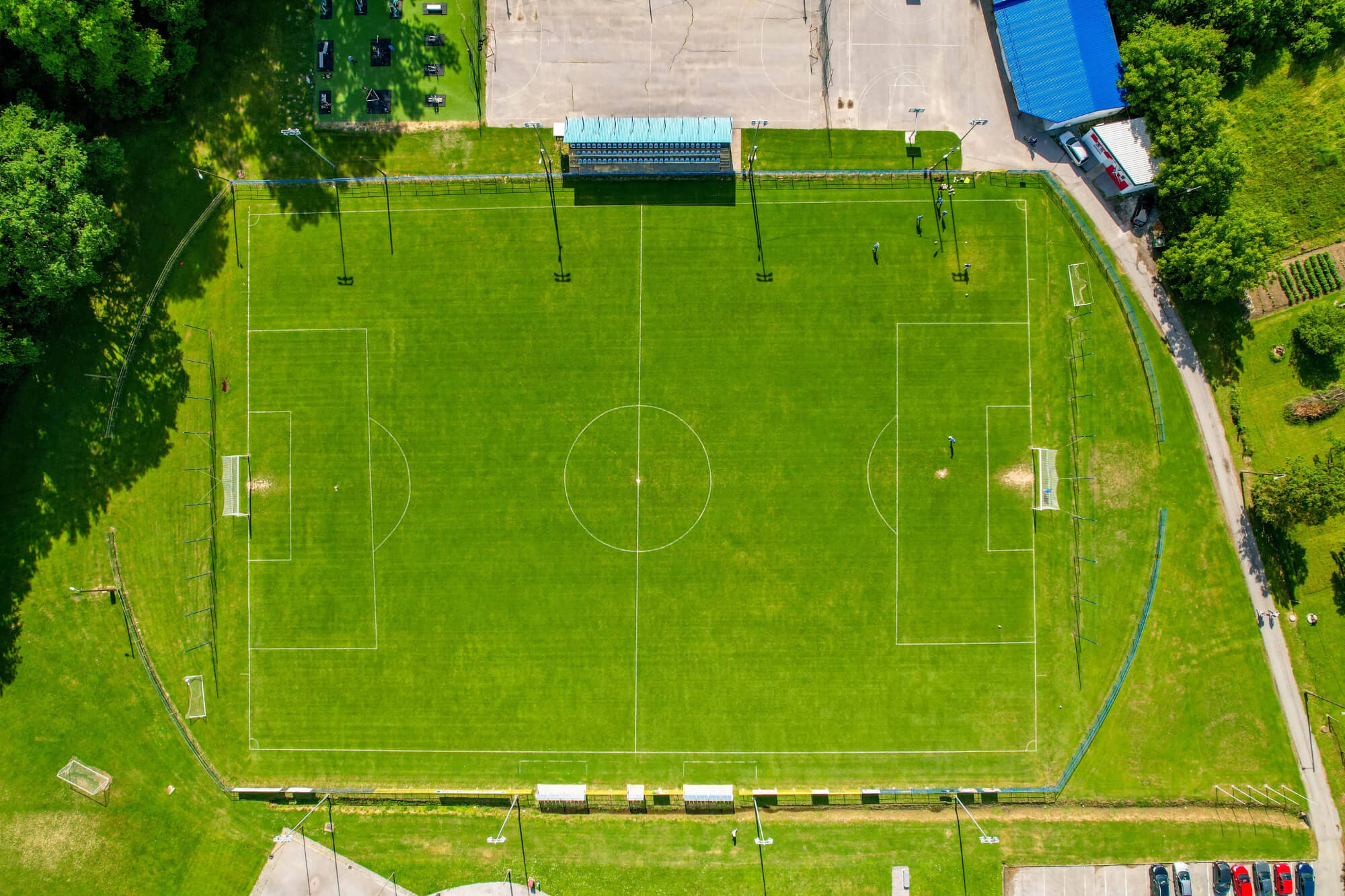
Croatia’s national team has made the country one of the most recognizable football nations in Europe. Domestic football may receive less international television coverage, but attending a local match gives visitors a much closer view of Croatian fan culture.
Two cities stand out immediately.
Split
Split is home to HNK Hajduk Split, one of Croatia’s most famous football clubs. The club plays at Poljud Stadium, a distinctive venue that has become one of the architectural landmarks of the city.
Hajduk supporters are known for creating a passionate atmosphere, particularly during important league and cup matches.
A football weekend in Split is also easy to combine with sightseeing. Diocletian's Palace, the Riva waterfront, Marjan Hill, and the Adriatic coast are all close enough to make the city suitable for travelers who want both sport and a traditional Croatian holiday.
Zagreb
The capital is another essential destination for football fans and home to GNK Dinamo Zagreb.
Zagreb offers a different experience from the Adriatic cities. It feels more Central European, with large squares, cafés, markets, parks, museums, and a strong year-round sporting culture.
Fans who want to follow Croatian football beyond a single club can also look at fixtures in cities such as Rijeka and Osijek.
Croatia Sports Travel at a Glance
| City | Sport to Look For | Why Visit |
|---|---|---|
| Zagreb | Football, basketball, handball | Major clubs, capital-city attractions, easy flight connections |
| Split | Football, water polo | Famous supporter culture combined with an Adriatic holiday |
| Zadar | Basketball | One of Croatia's strongest basketball traditions |
| Rijeka | Football | Football plus access to the northern Adriatic |
| Dubrovnik | Water polo | Historic city with a strong connection to aquatic sports |
| Pula | Football and outdoor sports | Roman heritage combined with cycling and coastal activities |
The table is only a starting point. Schedules vary throughout the year, so checking club and federation calendars before booking transportation or accommodation is important.
Basketball: A Croatian Tradition Worth Discovering
Football may attract the largest crowds and media attention, but basketball has an important place in Croatian sporting history.
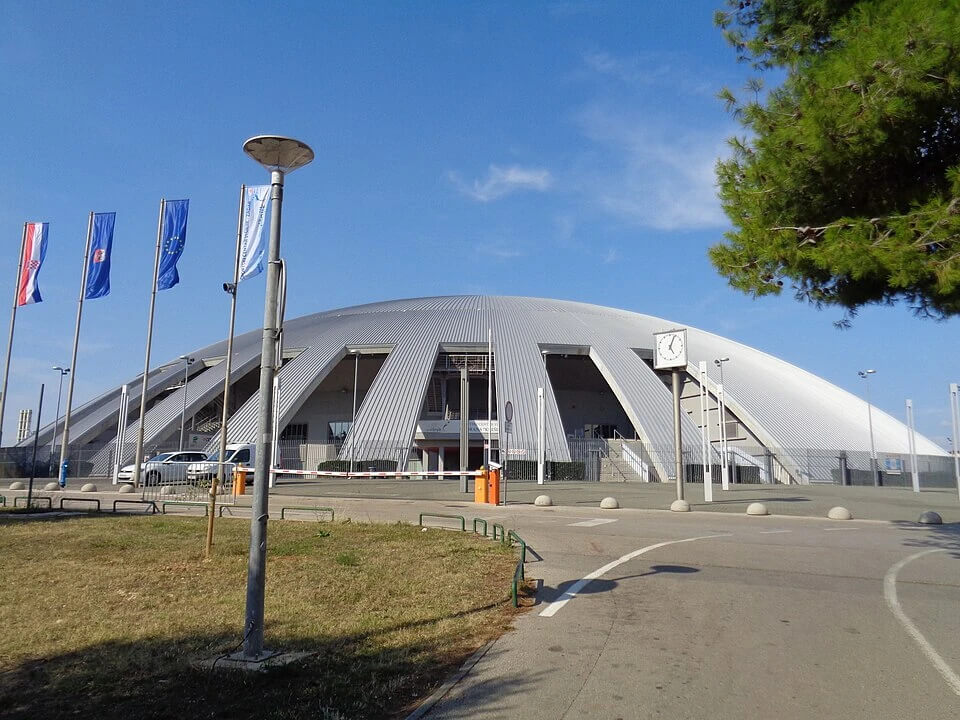
Zadar is particularly interesting for basketball fans. The sport has long been an important part of life in the city, and attending a game can be an excellent alternative for travelers visiting Croatia outside the peak summer season.
Zagreb and Split also have important basketball traditions.
For an international visitor, basketball offers one major advantage: games are generally played indoors, making them easier to include in an autumn or winter itinerary when beach-oriented activities are less attractive.
Water Polo on the Adriatic
Few sports fit Croatia's geography better than water polo.
With a long coastline and countless communities connected to the sea, swimming and aquatic sports naturally form part of Croatian sporting culture.
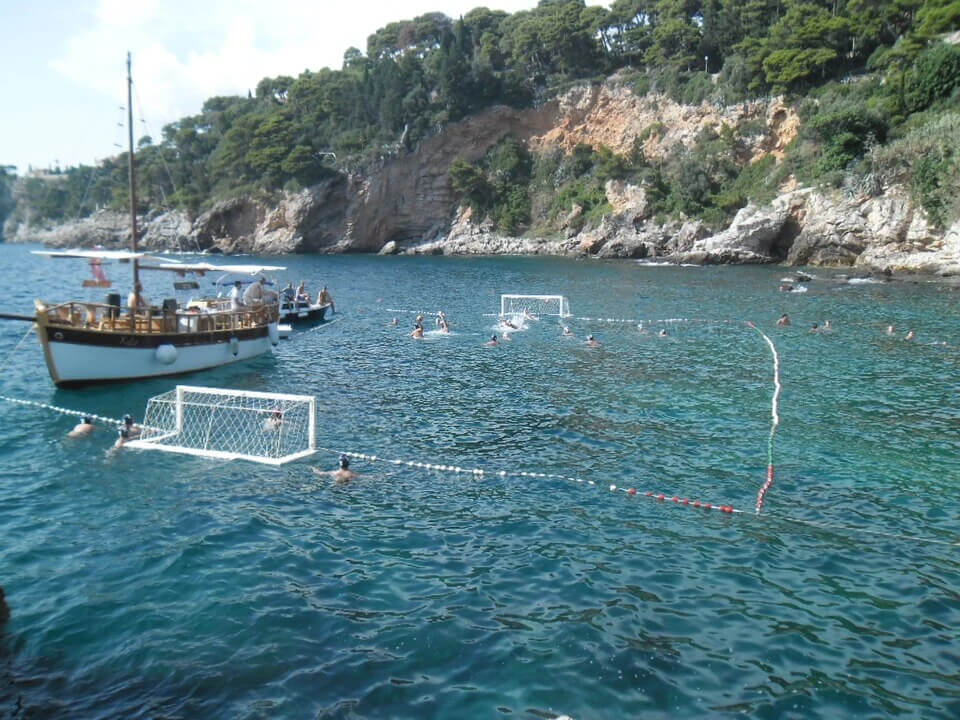
Dubrovnik is particularly well known for water polo, while other coastal cities also have established clubs and competitions.
For travelers accustomed to seeing water polo mainly during major international tournaments, watching a club match can be a memorable experience. The arenas are smaller than major football stadiums, which often creates a more intimate atmosphere.
Water polo also fits naturally into a coastal itinerary.
A traveler could spend the morning exploring Dubrovnik, watch a match later in the day, and then continue along the Adriatic coast.
Handball: Another Sport Where Croatia Excels
Handball sometimes receives relatively little attention from travelers arriving from the United States, but it is a major European sport and well worth seeing live.
Matches are fast, physical, and easy to follow even for spectators who have never watched professional handball before.
Croatia has a strong handball tradition, and games involving leading domestic clubs or the national team can create impressive atmospheres.
If you are visiting during the indoor sports season, it is worth checking whether there is a match near your destination.
Outdoor Sports in Croatia
Watching professional teams is only one way to experience sports in Croatia.
The country's geography makes it particularly suitable for active travelers.
Along the Adriatic coast, popular activities include:
- Sea kayaking
- Sailing
- Stand-up paddleboarding
- Diving and snorkeling
- Cycling
- Trail running
- Rock climbing
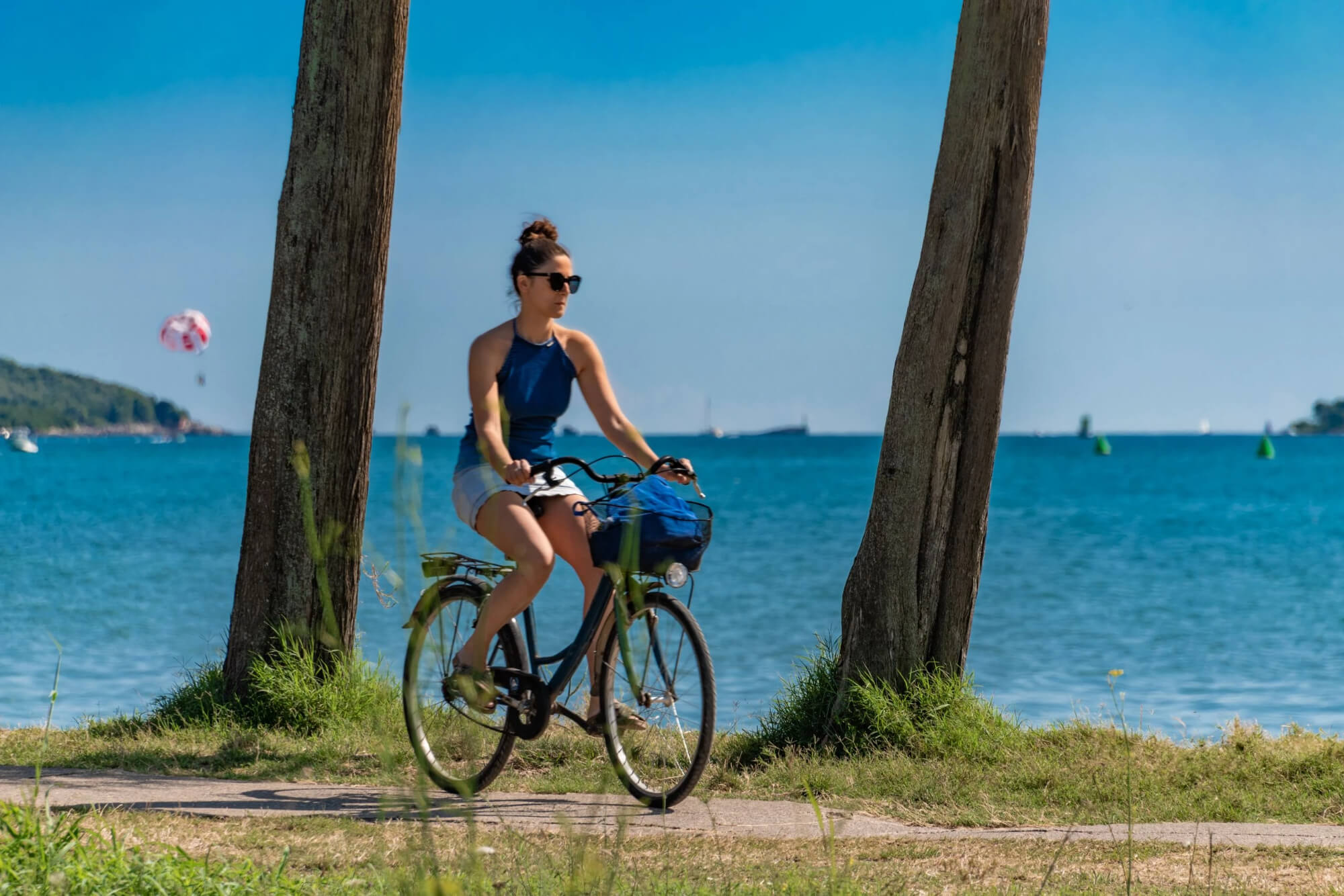
Further inland, Croatia also offers hiking routes through national parks, forests, mountains, and river valleys.
This means a sports trip does not need to revolve entirely around spectatorship.
A traveler might watch football in Split one evening and spend the following morning hiking, cycling, or kayaking.
How to Plan a Sports Trip Around Croatia
A little preparation can make a major difference, especially if you want to attend events in several cities.
1. Start With the Fixture
Build the trip around the event that matters most to you.
If attending a particular football or basketball match is the priority, confirm its date before booking the rest of the itinerary. Sporting schedules can change because of television broadcasts, cup competitions, European fixtures, or other organizational reasons.
2. Add Nearby Destinations
Once the main event is fixed, look at what else is nearby.
A match in Split, for example, can be combined with other Dalmatian destinations. Zagreb works well as a starting point for an inland itinerary, while Rijeka can be paired with destinations around Kvarner and Istria.
3. Don't Underestimate Travel Distances
Croatia looks relatively compact on a map, but geography can make journeys longer than expected.
A coastal route may involve winding roads, seasonal traffic, islands, or significant distances between destinations.
Allow more time on match day than you think you need.
4. Separate Match-Day and Sightseeing Plans
Trying to fit too much into the hours immediately before an event can turn an enjoyable trip into a stressful one.
A better plan is to keep match day relatively simple:
- Explore the neighborhood in the morning
- Have lunch early
- Reach the venue well before kickoff or tip-off
- Leave major sightseeing for another day
5. Check Ticket Rules
Buying procedures vary between sports, clubs, and individual events.
High-demand football matches may require more planning than ordinary league games. Always use official club or authorized ticketing channels where possible, and check whether identification is required.
A Sample Croatian Sports Itinerary
For someone visiting Croatia primarily for sport, a simple multi-city route could look like this:
Zagreb: Start with a football, basketball, or handball event and spend a day exploring the capital.
Zadar: Continue toward the Adriatic and look for a basketball game while exploring the old town and waterfront.
Split: Make football the centerpiece of the visit, ideally with a Hajduk home match at Poljud.
Dubrovnik: Finish farther south with water polo, sightseeing, and time along the coast.
The exact route should depend on the sporting calendar rather than the other way around.
That flexibility is part of the fun.
When Is the Best Time for Sports Travel in Croatia?
There is no single perfect season.
Summer is excellent for water sports, sailing, cycling along the coast, and combining athletics with a beach holiday. However, it is also Croatia's busiest tourism season.
Spring and autumn can be especially attractive for sports travelers because temperatures are often more comfortable for outdoor activities while domestic team competitions are active.
Winter shifts the focus toward football schedules and indoor sports such as basketball and handball.
For travelers primarily interested in attending matches, the most important consideration is therefore not the weather but the competitive calendar.
Sports Can Show You a Different Croatia
There are many ways to travel through Croatia.
You can build a holiday around beaches, historic cities, islands, food, or national parks. But following Croatian sport creates a route that many conventional tourists never experience.
A football match in Split, basketball in Zadar, handball in Zagreb, or water polo on the Adriatic introduces visitors to communities through something locals genuinely care about.
And that is what makes sports travel interesting.
The stadium or arena may be the reason you arrive, but the cities, supporters, traditions, and journeys between them are often what you remember afterward.
